Staying comfortable in Tucson’s dramatic desert climate isn’t just a luxury—it’s a necessity. With triple-digit summers, chilly winter nights, and dusty monsoon winds, heating and cooling systems work overtime in the Old Pueblo. If you’ve ever felt the sting of a blazing July afternoon without cool air or woke up shivering during a winter cold snap, you already know how crucial a dependable, local HVAC partner is. That’s why choosing the right expert matters. You need smart recommendations, prompt service, honest pricing, and long-term reliability. In other words, you need a reliable HVAC company you can count on in Tucson, AZ.
This long-form guide dives deep into everything you should know about heating and air conditioning in Tucson—from choosing an HVAC contractor to improving indoor air quality, understanding seasonal maintenance, planning an AC installation, and saving money on energy bills. We’ll use insider insights, local climate know-how, and professional best practices to help you make confident decisions. Whether you’re a homeowner upgrading an aging system or a property manager juggling multiple units, this is your go-to resource for year-round comfort.
And yes, we’ll keep it real. Expect practical tips, plain-English explanations, and answers to the questions Tucson homeowners ask most. Let’s make your home the kind of oasis you deserve.
Heating and Air Conditioning Tucson, AZ,HVAC Company Tucson, AZ,HVAC Contractor Tucson, AZ,Heating and Cooling Tucson, AZ,Air conditioning contractor, Tucson, AZ,Tucson, AZ Heating and Cooling,AC Installation Tucson, AZ
If you’re searching for “Heating and Air Conditioning Tucson, AZ,” you’re not alone—HVAC is a hot topic here for good reason. Our region’s extreme climate requires systems that are not just powerful but properly sized, expertly installed, and carefully maintained. Whether you need repairs, a full system replacement, routine tune-ups, or advice about making your home more energy-efficient, your choice of an HVAC Company in Tucson, AZ has real consequences. The right HVAC contractor ensures seamless comfort, keeps your utility bills in check, and prolongs the life of your equipment.
So, what sets a top-tier HVAC Contractor in Tucson, AZ apart?
- Deep knowledge of desert climates, including how heat, dust, and monsoon moisture affect equipment. Expertise across heating and cooling, including heat pumps, gas furnaces, split systems, mini-splits, and evaporative coolers. Clear communication, detailed estimates, and honest diagnoses that prioritize safety and value. Emphasis on airflow, duct integrity, and indoor air quality—not just the outdoor unit. Licensing, insurance, and local references that speak to reliability.
If you’re weighing your options among Heating and Cooling Tucson, AZ specialists or searching for an Air Conditioning Contractor in Tucson, AZ for fast repairs and AC Installation in Tucson, AZ, you’ll find that the best providers offer a comprehensive approach—responsive service, smart system design, careful install practices, and ongoing care.
Why Tucson’s Climate Demands Expertise: A Desert HVAC Reality Check
Let’s face it: Tucson weather isn’t subtle. Your HVAC system must confront several unique challenges:
- Intense, prolonged heat waves push AC systems to their limits. Low humidity dries out seals and can increase dust infiltration. Sudden monsoon storms introduce humidity and debris, burdening coils and filters. Cool winter nights require efficient heating transitions from the same system (often a heat pump) or supplemental heat.
What does this mean for your home? A unit that looks good on paper might falter in practice if it’s not engineered, installed, and maintained for Tucson’s realities. For example:
- Oversized units short-cycle and under-dehumidify, leaving rooms clammy despite “cool” temperatures. Undersized systems run constantly, inflate utility bills, and struggle to keep up during heat waves. Poor duct design wastes money by leaking cooled air into attics and crawlspaces. Lack of filtration and maintenance lets dust choke coils, lowering efficiency and shortening equipment life.
Local experience matters. A seasoned HVAC Company in Tucson, AZ understands how to properly size systems, recommend the right SEER2 ratings for our climate, and design ductwork that suits single-story ranch homes, multi-level houses, and older adobe-style builds alike.
Reliable HVAC Company Tucson, AZ: Comfort You Can Count On
The title says it all: Reliable HVAC Company Tucson, AZ: Comfort You Can Count On. What does “reliable” really look like in practice? It’s fast response times when your AC quits on a 108-degree day. It’s transparent, line-item estimates without surprise add-ons. It’s warranty-backed installations and maintenance visits that actually resolve your concerns. It’s technicians who take the time to explain what they’re doing and why—so you feel confident, not confused.
The best part? Reliability isn’t a buzzword. It’s a buildable system of habits and standards:
- Same-day or next-day service windows during peak season. Stocked vans with common replacement parts to reduce delays. Meticulous commissioning after installation: measuring static pressure, checking refrigerant charge, verifying airflow, calibrating thermostats. Regular training on evolving codes, refrigerants, high-efficiency equipment, and smart-home integrations.
When you seek Reliable HVAC Company Tucson, AZ: Comfort You Can Count On, you’re looking for not just a service provider, but a long-term partner in your home’s performance. The most dependable companies blend practical experience with genuine customer care—so your comfort is never a question mark.
Choosing the Right HVAC Contractor in Tucson: A Step-by-Step Guide
Selecting the right HVAC Contractor in Tucson, AZ doesn’t have to feel like a gamble. Use this simple process to ensure you’re partnering with pros who deliver.
1) Confirm licensing and insurance
- Ask for the Arizona ROC license number and proof of liability and worker’s comp coverage. Verify the license status online. This protects you if something goes sideways.
2) Request detailed, written estimates
- Insist on line-item proposals for equipment, labor, parts, and permits. Beware of vague quotes—those are a red flag for surprise charges later.
3) Ask about load calculations and duct assessments
- A true professional won’t size equipment by square footage alone. They’ll perform Manual J (load), Manual S (equipment selection), and Manual D (duct design) calculations.
4) Check brand options and warranties
- Look for clear explanations of warranty terms and what’s covered. Confirm labor warranties and ask about optional extended plans.
5) Evaluate communication and professionalism
- Is the contractor punctual, prepared, and courteous? Do they explain recommendations and answer questions plainly?
6) Read local reviews and ask for references
- Focus on reviews that mention responsiveness during peak heat, cleanliness, and follow-through. A quick call to a reference can tell you all you need to know.
7) Compare financing and rebate options
- Ask about utility rebates, federal tax credits, and low-interest financing. A contractor who helps you find savings demonstrates true customer focus.
Pro tip: Don’t just hunt for the lowest bid. Consider value: performance, longevity, warranty, and support. The least expensive installation today can be the costliest over the next decade if it’s undersized, poorly installed, or unsupported.
AC Installation Tucson, AZ: What a Proper Install Actually Looks Like
Considering AC Installation in Tucson, AZ? Great—installation quality has more impact on comfort, efficiency, and longevity than the brand itself. Here’s what a meticulous install includes:
- Correct system selection The contractor performs a load calculation to size your equipment precisely. They match indoor and outdoor components for optimal performance and SEER2 ratings. Ductwork evaluation They measure static pressure and inspect duct leakage. They seal ducts with mastic and upgrade undersized runs to reduce noise and improve airflow. They ensure proper return air sizing to protect your blower and improve cooling. Refrigerant and airflow commissioning Refrigerant charge is verified under real operating conditions. Supply and return temperatures are measured to confirm the right temperature split. Airflow is balanced across rooms for consistent comfort. Drainage and condensate protection Condensate lines are trapped and sloped correctly. Secondary safety pans and float switches are installed to prevent water damage. Electrical and safety checks Dedicated circuits, correct breaker size, and surge protection are verified. System controls are tested: thermostat, heat strips (if any), defrost cycles for heat pumps. Smart thermostat setup If you opt for a smart thermostat, it’s configured to avoid short cycling and maximize efficiency.
Signs of a sloppy install? Vibration noise, frequent short cycling, hot spots, unusually high energy bills, and recurring service calls. Don’t settle for “good enough.” A proper install pays for itself in lower operating costs and fewer headaches.
Heating and Cooling Systems That Work Best in Tucson’s Desert Climate
In Tucson, we’re not limited to one type of system. The best choice depends on your home’s design, insulation, ductwork, and your budget. Here are leading options:
- High-efficiency heat pumps Excellent for Tucson, handling both heating and cooling with one system. Inverter-driven models modulate output, delivering quieter, more consistent comfort and lower bills. Conventional split systems (AC + gas furnace) Common in homes with existing gas infrastructure. Great if you prefer gas heat during colder nights but still want an efficient AC. Ductless mini-splits Perfect for additions, garages, workshops, or homes with no ductwork. Zoned control lets you heat or cool rooms individually, reducing wasted energy. Packaged units Useful for rooftop installations common in older Tucson homes. Make sure regular maintenance is easy and safe. Evaporative coolers (swamp coolers) Can be budget-friendly, but performance drops during monsoon humidity. Often best as supplemental cooling or for shaded, ventilated spaces.
Pro tip: Ask your HVAC Company Tucson, AZ pro to evaluate your insulation and air sealing alongside equipment recommendations. A slightly smaller, well-installed system in a sealed, insulated home will often outperform a larger unit in a leaky house.
Energy Efficiency, Utility Bills, and Smart Savings in Tucson
Nobody likes a surprise on the energy bill—especially in summer. Here’s how to save without sacrificing comfort:
- Choose the right efficiency rating Look for SEER2 and EER2 ratings on new ACs or heat pumps. In hot climates like Tucson, EER2 is especially helpful because it measures performance at higher temperatures. Use variable-speed or two-stage equipment These systems run longer at lower speeds, improving dehumidification and comfort while using less energy. Seal ducts and improve insulation Tucson homes often lose 20–30% of cooled air through leaky ducts. Attic insulation upgrades reduce heat gain significantly. Optimize thermostat use Program set points based on your schedule. A 2–4 degree setback when away can save energy without forcing long recovery times. Maintain filters and coils Dirty filters and clogged coils can raise energy use by 15% or more. In dusty seasons, check filters monthly. Take advantage of rebates and credits Tucson Electric Power (TEP) and federal incentives can reduce the cost of high-efficiency upgrades. Ask your contractor to help you file rebates and verify eligibility.
Quick win: Shade your outdoor condenser from direct afternoon sun while maintaining clear airflow. It’s a small step that can slightly improve efficiency and reduce compressor stress.
Maintenance That Matters: Seasonal Care for Tucson Homes
Think of HVAC maintenance like changing the oil in your car. Skip it once, and you might be okay. Skip it regularly, and you’re inviting breakdowns. Here’s a Tucson-focused maintenance checklist:
Spring tune-up (pre-summer)
- Clean outdoor coils and remove debris. Inspect refrigerant charge and fix leaks if present. Check electrical connections, capacitors, and contactors. Confirm condensate drain is clear and trap is primed. Replace or wash filters; consider MERV 8–11 for a balance of airflow and filtration.
Monsoon check (mid-summer)
- After big storms, clear leaves and sediment around the condenser. Re-check filters—dust loads can double during monsoon. Verify thermostat scheduling to handle humidity swings.
Fall tune-up (pre-winter)
- For heat pumps: inspect defrost cycle and reversing valve. For furnaces: clean burners, check heat exchanger, and verify flue and gas pressures. Safety test CO detector and ensure combustion air is adequate.
Year-round habits
- Keep 2 feet of clearance around outdoor units. Listen for new noises and call early—small problems snowball in peak season. Don’t block supply or return vents with furniture or rugs.
Maintenance plan perks
- Priority service when it’s 105 and everyone’s calling. Documented service history that protects warranties. Predictable costs and fewer surprise breakdowns.
Indoor Air Quality in the Desert: Breathe Easier, Live Better
You might be cooling the air, but are you cleaning it? Tucson’s air can carry dust, pollen, wildfire smoke, and spores—especially in windy or monsoon seasons. Better indoor air quality (IAQ) can help reduce allergies, asthma triggers, and general fatigue.
Effective IAQ tools:
- High-MERV filters (8–13) sized for your system’s airflow. Media filters or electronic air cleaners for finer particulates. UV lamps to control microbial growth on the coil. Dedicated dehumidification or smart thermostats for moisture management. ERV/HRV ventilation where air exchange is needed without large energy penalties.
Pro tip: Don’t jump to the highest-MERV filter without confirming your system can handle it. The wrong filter can choke airflow and harm your equipment. Ask your HVAC Contractor Tucson, AZ professional to test static pressure after any filter upgrades.
Troubleshooting Common HVAC Problems in Tucson Homes
Not every hiccup requires a service call. Here are common issues and quick checks:
- AC blowing warm air Check thermostat mode and set point. Ensure the outdoor unit is running and not clogged with debris. Replace a dirty filter; verify breaker or disconnect hasn’t tripped. Hot and cold spots Open all supply vents; ensure returns aren’t blocked. Ask for a duct balancing or damper adjustment. Consider zoning or a variable-speed blower. High energy bills Inspect filters, coil cleanliness, and refrigerant levels. Check for leaky ducts, especially in attics. Review thermostat schedules and consider set point adjustments. Frequent cycling Could be a thermostat placement issue, oversized unit, or restricted airflow. Have a pro measure temperature differential and static pressure. Musty or dusty smells Replace filters and inspect coil cleanliness. Clear condensate pan and drain. Consider UV treatment if microbial growth is present.
When in doubt, call a pro—especially if you see ice on the lines, hear buzzing from the condenser, or smell gas. Safety first.
How to Compare Quotes: Apples-to-Apples Without the Headache
Three quotes. Three different prices. Three sets of jargon. Sound familiar? Use this quick framework:
- Equipment model numbers and efficiency Confirm exact models, SEER2/EER2/HSPF2, and tonnage. Verify AHRI-matched pairings for rebates and performance. Scope of work Ductwork modifications, sealing, and new returns. Line set replacement, new pad, or disconnect. Condensate safety switches, float pans, and drain upgrades. Permits and inspections included? Commissioning and testing Demand a written commissioning report: static pressure, temperature split, refrigerant subcool/superheat. Warranties Manufacturer parts warranty length. Labor warranty duration and coverage limits. Maintenance requirements to keep warranties valid. Timeline and scheduling Install date certainty. Estimated downtime and contingency plans. Financing and rebates Monthly payment options. Utility and federal incentives calculated into the total?
Remember: A lower price without duct sealing, proper commissioning, or warranty support often costs more over the lifespan. Quality control upfront prevents 10 years of frustration.
Smart Thermostats and Zoning: Customize Comfort Room by Room
Tucson homes come in many styles—from historic bungalows to modern builds with soaring ceilings. Custom comfort features can be game-changers:
- Zoning systems Divide your home into zones with motorized dampers and multiple thermostats. Reduce hot second floors and unused room conditioning. Smart thermostats Learn schedules, offer remote controls, and optimize run times. Some provide energy reports and reminders for maintenance. Sensors and ventilation Remote room sensors help balance temperatures. Integrate bath and kitchen ventilation to control humidity and odors.
Ask your HVAC contractor to evaluate your home’s airflow and recommend the right combination. With zoning and smart controls, you can cut energy waste and boost comfort—especially in multi-level or sprawling floor plans.
Sustainability in the Sonoran Desert: Green HVAC Choices That Work
Sustainability doesn’t mean sacrificing comfort. Today’s HVAC solutions deliver both:
- Inverter-driven heat pumps High efficiency, low energy usage. Comfortable, steady temperatures without frequent cycling. Proper refrigerant management EPA-certified handling protects the environment and your system. Ask about low-GWP refrigerants as they become available in new equipment. Solar synergy Pairing high-efficiency HVAC with rooftop solar can dramatically cut operating costs. A right-sized HVAC system can reduce the size of your solar array. Home envelope upgrades Air sealing, reflective roofing, and window shading make ACs work less. Consider shade structures or strategic landscaping for west-facing walls.
Small steps add up. A Tucson-savvy HVAC partner can help you prioritize upgrades with the best return in our climate.
What to Expect During an HVAC Service Call in Tucson
Nobody likes surprises—unless it’s cool air on a hot day. Here’s a typical service visit flow:
- Pre-arrival You get a text or call with the tech’s ETA and name. Arrival and assessment The tech listens to your description of the problem and checks the thermostat. They inspect indoor and outdoor units, filters, drains, and electrical components. Diagnosis and options You receive a clear explanation of the issue with photos or readings. The tech offers repair options with pricing and pros/cons. Work performed With your approval, repairs proceed; if parts aren’t available, a temporary solution is discussed. Commissioning and verification The tech confirms operation, temperature split, and safe function. Wrap-up You get maintenance recommendations, a digital invoice, and warranty information.
Transparency matters. You should feel comfortable asking questions. A true professional will welcome them.
When Repair Becomes Replace: Making the Smart Call
Repair or replace? Use the https://brooksqcfc262.raidersfanteamshop.com/year-round-comfort-with-a-trusted-hvac-contractor-in-tucson-az “50% rule” as a baseline:
- If a repair costs more than 50% of the value of a new system and your unit is 10–15 years old, replacement often makes sense. Consider your energy bills: A new high-efficiency unit can pay for itself via lower monthly costs. Weigh reliability: Frequent breakdowns in peak season risk comfort and can shorten system life.
Other clues:
- R-22 refrigerant system? Replacement is typically more practical than expensive repairs. Undersized ductwork and poor airflow? A new system plus duct upgrades fixes core issues, not just symptoms. Home additions or remodels? A fresh load calculation and updated equipment ensures whole-home comfort.
Ask your HVAC Contractor Tucson, AZ to provide a side-by-side repair vs. replacement comparison including estimated operating costs for each option.
The True Cost of HVAC Ownership: Budgeting Beyond the Sticker Price
Don’t judge by equipment cost alone. Total Cost of Ownership (TCO) includes:
- Upfront price of equipment and installation. Energy costs over 10–15 years. Maintenance plans and occasional repairs. Warranty coverage and potential extended warranties. Duct and insulation improvements for efficiency.
A slightly higher initial investment in a quality install with the right efficiency level often leads to thousands saved long-term. Your contractor should help you model TCO, not just quote a price.
Homeowner’s HVAC Toolkit: Simple Tasks You Can Do Yourself
Empower yourself with a few easy wins:
- Filter changes Check monthly in summer; replace when dirty or by the manufacturer’s schedule. Visual inspections Keep the outdoor unit clear of leaves and debris. Thermostat scheduling Set energy-saving schedules and verify seasonal program changes. Condensate line flush Pour a cup of diluted white vinegar into the cleanout each spring to discourage algae growth. Vent management Keep furniture and rugs away from returns and supplies.
If you’re unsure about a task, ask your technician during a maintenance visit to show you how. A good pro will gladly teach.
Mini-Splits in Tucson: Are They Worth It?
Short answer: Often, yes. Ductless mini-splits shine in scenarios like:
- Room additions or casitas without existing ducts. Garages, workshops, or home offices needing independent control. Older homes where duct retrofit is challenging. Rooms with chronic hot or cold spots that central HVAC can’t solve easily.
Benefits:
- High efficiency and quiet operation. Zoned control—condition only the rooms you’re using. Easy installation with minimal structural disruption.
Considerations:
- Aesthetics of indoor heads. Proper sizing and placement for even comfort. Maintenance of filters and coil cleaning to maintain performance.
Commercial and Multi-Family HVAC in Tucson: Special Considerations
If you manage a commercial property or multi-family housing, the stakes are higher:
- Tenant comfort impacts retention and productivity. System downtime affects revenue and reputation. Preventive maintenance is non-negotiable—schedule quarterly or semi-annual service.
Key priorities:
- Correctly sized rooftop units with safe access and protective hail guards. Building automation systems for energy management and remote monitoring. Filtration plans appropriate to occupancy and air quality needs. Lifecycle planning: staggered replacements to manage budgets without crisis-mode decisions.
Partner with an HVAC Company Tucson, AZ that offers portfolio-level planning and 24/7 emergency response.
Safety First: Gas Furnaces, Electrical Components, and CO Monitoring
Safety checks you should never skip:
- Annual furnace inspection Heat exchanger integrity, burner tuning, and draft verification. Carbon monoxide detectors Install on every level and near sleeping areas; test monthly. Electrical checks Tighten lugs, test capacitors, and examine contactors for pitting or heat damage. Condensate overflow protection Float switches that cut power before ceilings get damaged.
If you ever smell gas or suspect a CO issue, leave immediately and call the utility or emergency services. Then call your contractor for a full inspection.
HVAC Myths in Tucson—Busted
- “Bigger ACs cool faster, so they’re better.” Oversizing causes short cycling, poor humidity control, and inefficiency. “Close vents in unused rooms to save energy.” This increases static pressure and can damage your system; use zoning instead. “Maintenance is optional if my AC seems fine.” Dust and heat wear parts silently; small issues balloon into big failures without routine care. “A cheap filter is just as good.” Not in Tucson. Balanced filtration protects your system and your lungs.
Case Study: From Hot Spots to Home Oasis
The problem:
- A single-story Tucson home with west-facing rooms never felt cool in summer. The AC ran constantly, and the owner faced rising energy bills.
The assessment:
- Duct leakage was over 25%. Return air was undersized, choking airflow. The existing 4-ton AC was slightly oversized, causing short cycling and humidity issues.
The solution:
- Duct sealing and added return. Right-sized 3.5-ton inverter heat pump with variable-speed air handler. Smart thermostat with remote sensor in the west wing.
The result:
- Even temperatures across rooms, lower energy bills, and quieter operation. Homeowner reported improved sleep and fewer afternoon “hot zones.”
A Quick-Glance Table: Tucson HVAC Essentials
| Topic | What to Know | Why It Matters in Tucson | |---|---|---| | Sizing | Manual J calculation is non-negotiable | Prevents short cycling and poor humidity control | | Ducts | Seal and right-size returns | Cuts energy waste and improves comfort | | Filters | MERV 8–11 is a balanced target | Captures dust without choking airflow | | Efficiency | SEER2 and EER2 metrics | EER2 reflects high-heat performance | | Maintenance | Spring and fall tune-ups | Avoids peak-season breakdowns | | IAQ | UV on coil, media filters | Battles dust, spores, and allergens | | Thermostats | Smart controls with sensors | Custom comfort and energy savings | | Rebates | Utility and federal incentives | Offsets upfront upgrade costs |
Working with a Trusted Local Provider
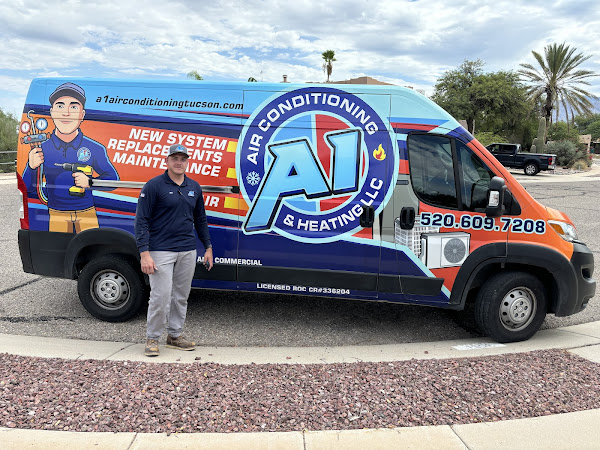
Tucson benefits from HVAC contractors who’ve built their reputations over years of consistent service. A1 Air Conditioning & Heating LLC, for example, is known locally for clear communication, prompt scheduling, and a thorough approach to system design and maintenance. Whether you’re weighing repair vs. replacement or simply need a pre-summer tune-up, partnering with an experienced local team can make all the difference in lasting comfort and efficiency.
How to Prepare Your Home Before an HVAC Visit
Save time and ensure a smoother visit:
- Clear a path to indoor units, attic access, and outdoor condensers. Secure pets and let the tech know about any door or gate quirks. List symptoms and when they occur (time of day, specific rooms). Gather previous invoices, warranty info, and any thermostat error codes. Note thermostat schedules and Wi-Fi passwords if smart thermostat setup is needed.
These small steps help your technician diagnose faster and more accurately.
Financing, Rebates, and Tax Credits: Unlocking Affordability
Upgrading HVAC can be a significant investment. Don’t leave money on the table:
- Utility rebates TEP often offers incentives for high-efficiency equipment or duct sealing. Program details change, so ask your contractor for current options. Federal tax credits Many high-efficiency heat pumps and certain efficiency improvements qualify for federal credits, subject to annual caps and equipment criteria. Financing plans Fixed-rate plans with low monthly payments help spread out costs. Bundle-and-save strategies Combining a system upgrade with air sealing and insulation can qualify for higher-tier incentives.
The right HVAC Company Tucson, AZ will present a savings roadmap alongside your proposal.
Home Resale Value: HVAC Upgrades Buyers Notice
If you plan to sell within the next few years, smart HVAC choices matter to buyers:
- High-efficiency, modern equipment with transferable warranties stands out in listings. Documented maintenance history signals care and reliability. Smart thermostat systems appeal to tech-savvy buyers. Healthy IAQ solutions are increasingly valued, especially by families.
A well-designed HVAC system doesn’t just cool and heat—it builds trust in your home’s overall condition.
Emergency Preparedness: When Your AC Fails During a Heat Wave
Preparation beats panic:
- Know your contractor’s emergency line and typical response times. Have a box fan, blackout curtains, and hydration plan ready. Close blinds and reduce appliance use to lower indoor heat gain. If temperatures rise dangerously indoors, relocate to a cooled space until service arrives.
After repair, ask your tech about surge protection and preventative maintenance to lower future risk.
For New Homeowners in Tucson: Your First-Year HVAC Plan
Just moved in? Here’s a practical first-year checklist:
- Schedule a full system inspection and tune-up within 30 days. Replace filters and note sizes and locations. Ask for a duct leakage test and thermal imaging if comfort is uneven. Program your thermostat for summer and winter patterns. Review insulation levels in the attic; consider upgrades if below recommended R-values. Create a maintenance calendar reminder for spring and fall.
Getting ahead of issues early prevents surprise breakdowns when you least expect them.
Reliable HVAC Company Tucson, AZ: Comfort You Can Count On (Revisited)
By now, you’ve seen the blueprint: Reliable HVAC Company Tucson, AZ: Comfort You Can Count On isn’t just a catchy phrase—it’s a promise built on expertise, responsiveness, honest work, and a deep understanding of Tucson’s climate. From AC Installation in Tucson, AZ to seasonal maintenance, repairs, system upgrades, and indoor air quality improvements, the right partner ensures your home stays an oasis, year after year.
When evaluating your options for Heating and Air Conditioning Tucson, AZ, prioritize clarity, craftsmanship, and care. A team like A1 Air Conditioning & Heating LLC exemplifies what homeowners should expect: informed recommendations, professional workmanship, and follow-through that builds long-term peace of mind.
FAQs: Quick Answers for Tucson Homeowners
Q1: What’s the best thermostat setting for Tucson summers?
- Aim for 76–78°F when home and 80–82°F when away. Use ceiling fans to feel cooler without lowering the thermostat further.
Q2: How often should I change my filter in Tucson?
- Check monthly during summer and monsoon seasons. Replace when dirty or every 1–3 months depending on filter type and dust levels.
Q3: Do I need a high-SEER2 unit to see savings?
- Not necessarily. Proper sizing, installation quality, and duct sealing often yield bigger gains than jumping to the highest SEER2. A balanced approach is best.
Q4: Are heat pumps good for Tucson winters?
- Yes. Modern heat pumps perform efficiently in our mild winters and provide excellent cooling in summer. Inverter models are especially effective.
Q5: How do I know if my ducts are leaking?
- Symptoms include uneven room temperatures, dusty rooms, and higher-than-expected energy bills. A duct leakage test provides a definitive answer.
Conclusion: Your Roadmap to Reliable Comfort in Tucson
Let’s bring it home. Tucson’s climate is tough on HVAC systems, but your comfort doesn’t have to be complicated. With the right knowledge and a trusted local partner, you can design a system that’s quiet, efficient, clean, and reliable.
Key takeaways:
- Tucson climate demands expert system sizing, duct integrity, and regular maintenance. A quality installation influences comfort and costs more than brand alone. Indoor air quality matters—choose filters and add-ons tailored to our dusty, high-heat environment. Smart controls, zoning, and envelope improvements elevate comfort while lowering bills. Work with an HVAC Company Tucson, AZ that prioritizes transparency, commissioning, and long-term support.
Reliable HVAC Company Tucson, AZ: Comfort You Can Count On isn’t just the title of this guide—it’s the standard you should expect. Whether you’re scheduling AC Installation Tucson, AZ, tuning up before summer, or exploring efficiency upgrades, choose experience, expertise, authoritativeness, and trustworthiness. Your home—and your peace of mind—will thank you.